Real-Time Material Testing Under the Microscope
In-situ testing solutions for light microscopy enable researchers to apply mechanical, thermal, and environmental conditions while observing samples in real time. This transforms traditional optical microscopy into a powerful platform for dynamic analysis and quantitative measurement.
By combining live imaging with precise control of force and temperature, users can study how materials, devices, and biological samples behave under realistic conditions.
Key Benefits
- Real-time observation of deformation, failure, and dynamic processes
- Quantitative data including force, displacement, and strain
- Environmental compatibility (liquid, ambient, heated or cooled conditions)
- Easy integration with existing light microscopy systems
- High-throughput testing with minimal sample preparation
Typical Applications
- Polymer and soft material deformation
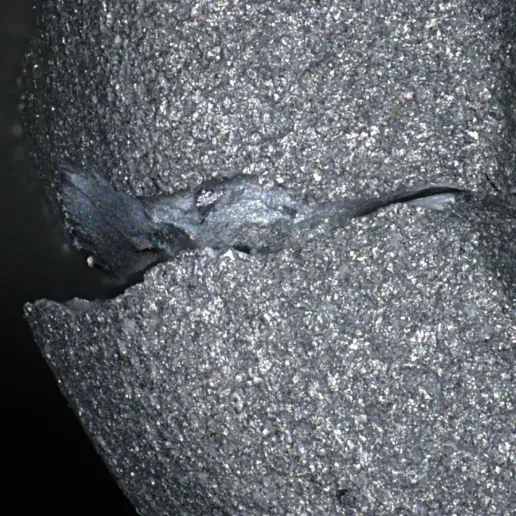
- Crack initiation and propagation
- Flexible electronics testing
- Cell mechanics and biomaterials research
- Microfluidics and reaction monitoring
Enhance Your Microscopy Workflow
In-situ testing brings controlled experimentation directly into the field of view, allowing researchers to capture not just how a sample looks, but how it behaves.
Unlock deeper insight with in-situ testing for light microscopy.
Light Microscopy Products
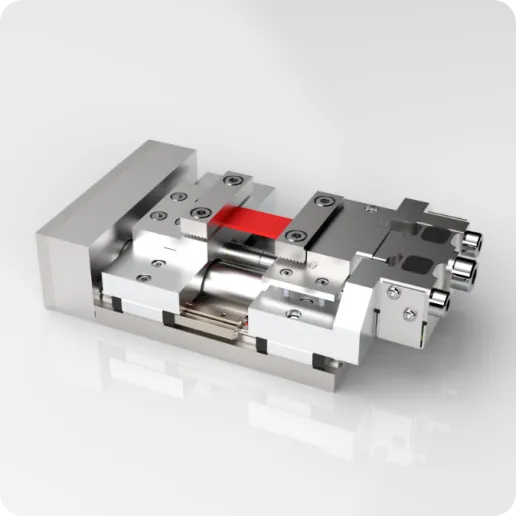
Tensile and compression testing stage with precision slides and symmetrical stainless-steel leadscrew
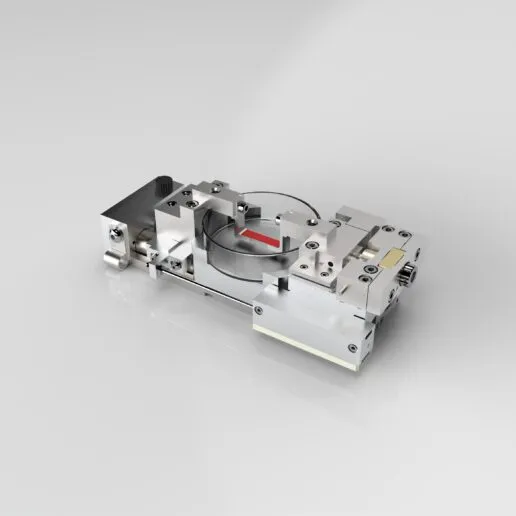
Tensile and compression testing stage with precision slides and symmetrical stainless-steel leadscrew
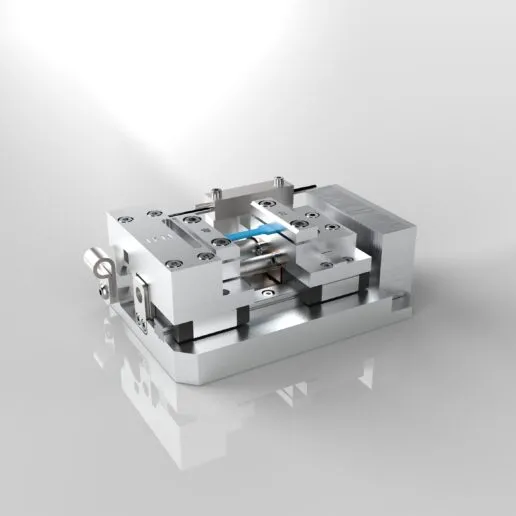
Tensile and compression testing stage with precision slides and symmetrical stainless-steel leadscrew
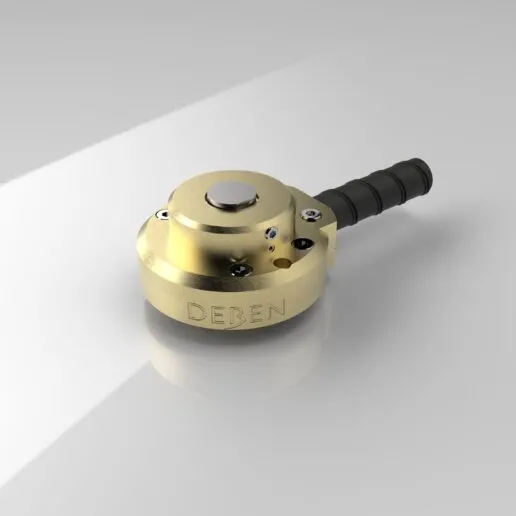
Standard Coolstage™ – SEM Peltier Heating and Cooling Stage